Retinoid vs Retinal: What's the Difference and Which Is Better for Your Skin?
Retinoid vs retinal: what is the difference? The most important distinction is that retinoid refers to a broad family of vitamin A-derived compounds, while retinal (also called retinaldehyde) is one specific member of that family. In other words, retinal is a retinoid, but not every retinoid is retinal.
Retinoids are widely used in skincare to address fine lines, uneven skin tone, rough texture, and acne. However, individual retinoids differ in their chemical structures, biological activity, clinical evidence, formulation requirements, and potential for irritation.
Retinal is particularly interesting because it requires only one enzymatic conversion to become retinoic acid, a biologically active form of vitamin A involved in regulating skin-cell behavior. Retinol requires two conversion steps, while tretinoin is already retinoic acid.
This guide explains how retinal compares with other retinoids, including retinol, tretinoin, adapalene, and retinyl esters. It also covers their benefits, limitations, safety considerations, and practical selection criteria.
What Is a Retinoid?
A retinoid is a compound belonging to a family of natural and synthetic substances related to vitamin A. The term describes an ingredient category rather than a single chemical compound.
Different retinoids interact with biological pathways involved in skin-cell differentiation, epidermal renewal, and other processes relevant to skin health.
Common examples include:
Retinol: A vitamin A alcohol frequently used in cosmetic serums and creams.
Retinal (Retinaldehyde): A vitamin A aldehyde that can be converted into retinoic acid.
Retinyl Esters: Ingredients such as retinyl palmitate and retinyl acetate, which are precursors of retinol.
Tretinoin: Also known as all-trans retinoic acid, a topical medication with established dermatological applications.
Adapalene: A synthetic retinoid used primarily for acne treatment.
Tazarotene: A synthetic retinoid used for certain dermatological conditions.
Some retinoids are widely available in cosmetic products, while others are regulated as medications. Whether a specific ingredient requires a prescription depends on the compound, concentration, intended use, and local regulations.
What Is Retinal (Retinaldehyde)?
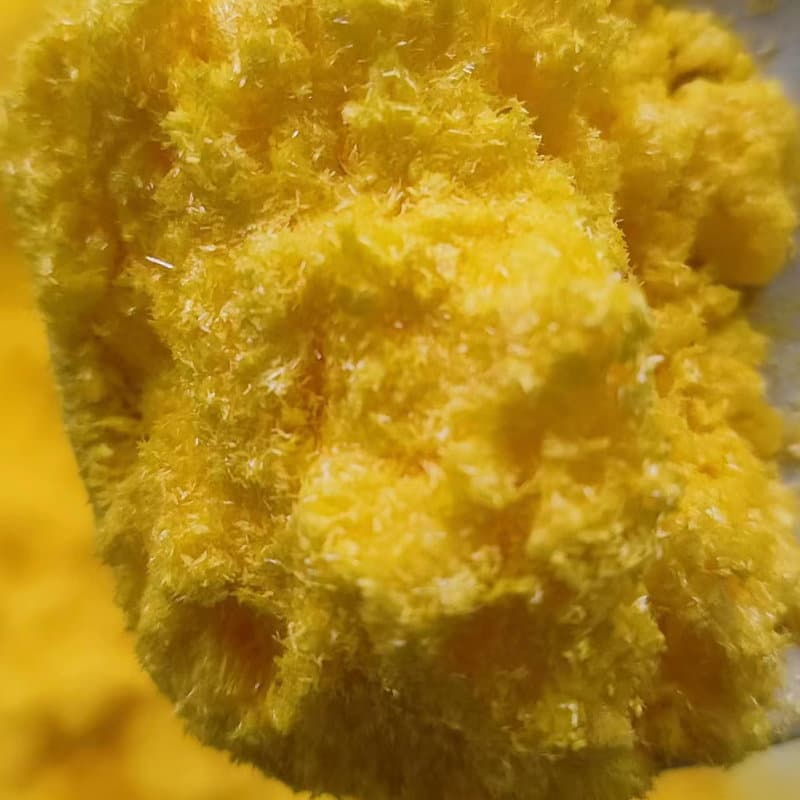
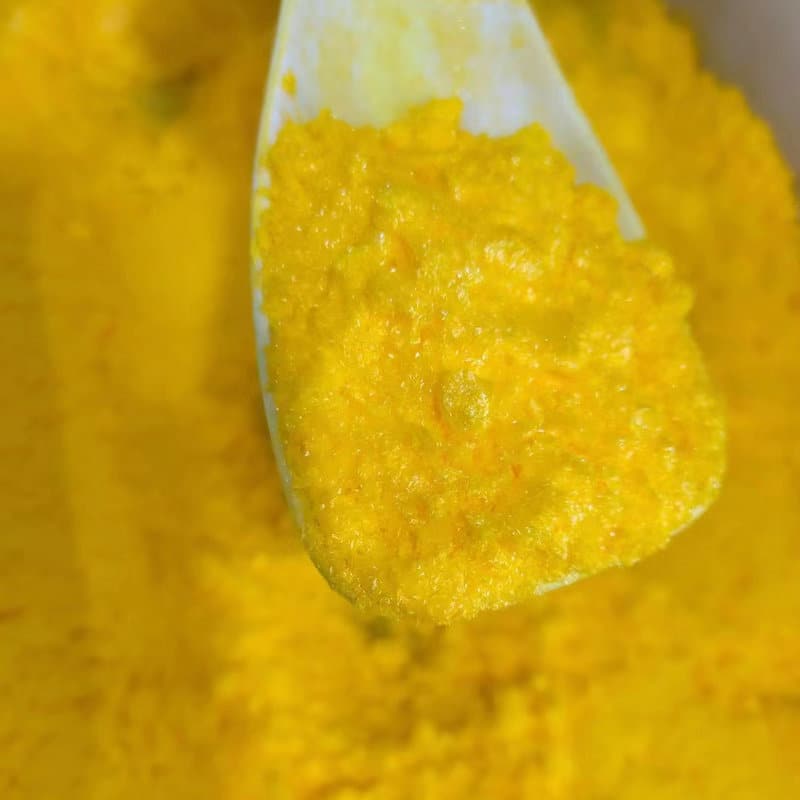
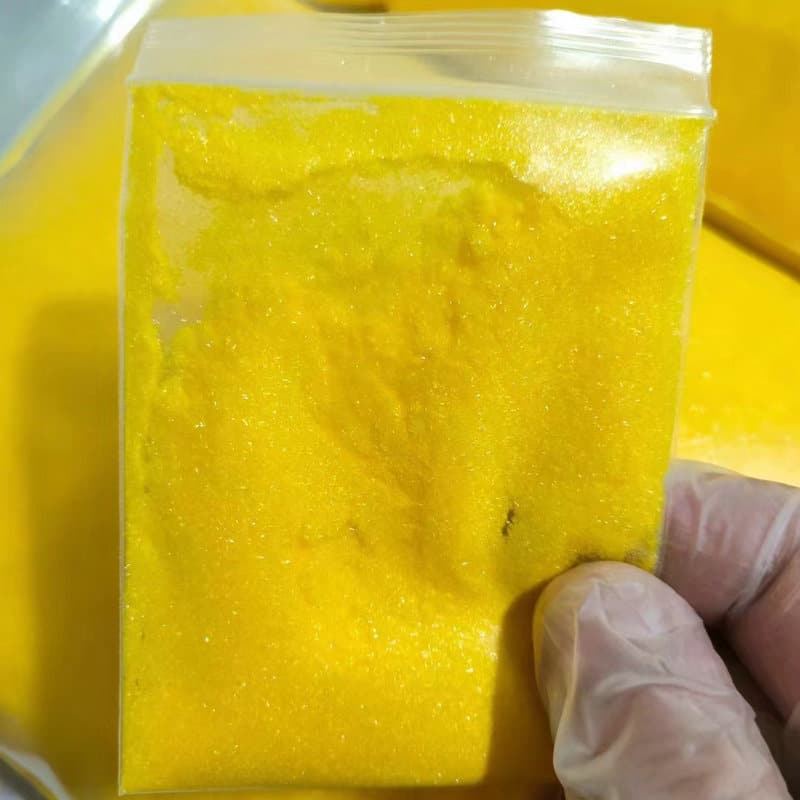
Retinal, also known as retinaldehyde, is a naturally occurring vitamin A aldehyde and a member of the retinoid family. It is an intermediate in the metabolic pathway connecting retinol with retinoic acid.
Retinal has attracted interest in cosmetic formulation because it can participate in retinoic acid production through a single oxidation step.
Basic Chemical Information About Retinal
| Property | Information |
|---|---|
| Common Name | Retinal |
| Alternative Name | Retinaldehyde |
| Specific Form | All-trans-Retinal |
| CAS Number | 116-31-4 (all-trans-Retinal) |
| Molecular Formula | C20H28O |
| Molecular Weight | 284.44 g/mol |
| Chemical Family | Retinoids |
| Functional Group | Aldehyde (-CHO) |
| Typical Applications | Cosmetic formulation and scientific research |
Retinal is not chemically identical to retinol or tretinoin. Their different functional groups influence how they are metabolized and formulated.
Retinoid vs Retinal: Key Differences at a Glance
Because retinal is itself a retinoid, the most accurate comparison is between retinal and other individual members of the retinoid family.
| Feature | Retinoid | Retinal |
|---|---|---|
| Definition | A broad family of vitamin A-related compounds | A specific vitamin A aldehyde |
| Classification | Ingredient family | Individual retinoid |
| Chemical Structure | Varies among compounds | Contains an aldehyde functional group |
| Conversion to Retinoic Acid | Depends on the specific retinoid | One enzymatic oxidation step |
| Skincare Benefits | Depend on the individual compound | Studied for photoaging, texture and visible wrinkles |
| Strength | Cannot be generalized across the entire family | Depends on concentration and formulation |
| Irritation Potential | Varies considerably | May cause dryness, redness and irritation |
| Availability | Cosmetic and pharmaceutical products | Commonly found in cosmetic skincare products |
Key takeaway: Asking whether a retinoid is stronger than retinal is similar to asking whether a fruit is sweeter than an apple. The comparison becomes meaningful only after identifying which retinoid is being considered.
How Do Retinoids and Retinal Work in the Skin?
Understanding the vitamin A conversion pathway helps explain the differences between several commonly used cosmetic retinoids.
The Retinoid Conversion Pathway
The commonly described metabolic pathway is:
Retinyl Esters → Retinol → Retinal → Retinoic Acid
Retinyl esters generally require conversion into retinol. Retinol can then be oxidized into retinal, which can undergo further oxidation into retinoic acid.
This means:
Retinyl esters require multiple conversion steps.
Retinol requires two conversion steps to form retinoic acid.
Retinal requires one conversion step.
Tretinoin is already all-trans retinoic acid.
These descriptions simplify complex biological processes. Conversion efficiency depends on enzymatic activity, formulation, ingredient availability, and other biological factors. Not all topically applied material necessarily follows the complete pathway.
Furthermore, synthetic retinoids such as adapalene interact with retinoid receptors without needing to pass through the same metabolic sequence.
Does Fewer Conversion Steps Mean Better Results?
Not necessarily. Retinal is chemically closer to retinoic acid than retinol, which provides a reasonable basis for its potential activity. However, conversion steps alone cannot establish that one finished skincare product will produce faster or better clinical results.
Product performance also depends on:
The concentration of the active ingredient.
The chemical stability of the formulation.
The delivery system and vehicle.
The user's skin condition and tolerance.
Application frequency and treatment duration.
The quality of supporting clinical evidence.
Claims that retinal is universally "10 times stronger" or "11 times faster" than retinol should be treated cautiously unless they are supported by clearly defined and comparable clinical measurements.
Retinal vs Retinol vs Tretinoin vs Adapalene
Comparing specific retinoids offers more useful information than comparing retinal against the entire retinoid category.
| Ingredient | How It Works | Common Use | Important Consideration |
|---|---|---|---|
| Retinol | Converts through retinal into retinoic acid | Cosmetic anti-aging and skin texture | Broadly available; effects depend on formulation |
| Retinal | Converts into retinoic acid in one step | Cosmetic photoaging and skin texture | Potentially active but can cause irritation |
| Tretinoin | Acts as all-trans retinoic acid | Acne and photoaging treatment | Substantial clinical evidence; irritation can occur |
| Adapalene | Directly targets selected retinoid receptors | Acne treatment | Designed for acne; availability varies by jurisdiction |
| Retinyl Palmitate | Requires several metabolic conversions | Cosmetic vitamin A formulations | Limited evidence for effects comparable to prescription retinoids |
Is Retinal Stronger Than Other Retinoids?
Retinal may offer greater biological activity than some cosmetic vitamin A precursors, particularly when compared with retinol in terms of the number of conversions needed to form retinoic acid.
However, it is inaccurate to say that retinal is stronger than every other retinoid.
Retinal vs Retinol
Retinal is one metabolic step closer to retinoic acid than retinol. This makes retinal an interesting option for consumers seeking a cosmetic retinoid beyond conventional retinol products.
Research supports the potential of retinaldehyde to improve certain visible signs of photoaging. Nevertheless, direct, high-quality comparisons of equivalent retinal and retinol formulations remain limited.
Retinol also has clinical evidence supporting its use in cosmetic skincare. Therefore, neither ingredient should automatically be considered superior in every formulation.
Retinal vs Tretinoin
Tretinoin is all-trans retinoic acid and does not require the same conversion step as retinal.
Tretinoin has an extensive body of clinical research supporting its use for acne and photoaged skin. Retinal has also been studied for photoaging, but the volume and quality of evidence are not equivalent across every indication.
Some clinical studies suggest that retinaldehyde may provide improvements in skin texture and wrinkles with acceptable tolerability. This does not establish that retinal and tretinoin are interchangeable treatments.
Retinal vs Adapalene
Adapalene is a synthetic retinoid primarily developed for acne treatment. It binds selectively to certain retinoic acid receptors and is not simply another precursor in the retinol-to-retinoic-acid pathway.
For individuals primarily concerned with acne, adapalene has a more established therapeutic role than cosmetic retinal formulations.
Retinal may still be relevant to acne-prone skincare, but it should not be presented as a clinically equivalent substitute for approved acne medication.
What Are the Benefits of Retinal for Skin?
Retinal has been investigated for several cosmetic skin concerns. Its benefits should be interpreted in the context of clinical evidence, product formulation, and individual skin response.
1. Improving the Appearance of Fine Lines and Wrinkles
Retinaldehyde has been evaluated in clinical studies involving photoaged skin. Some studies have reported improvements in surface roughness and visible wrinkles following repeated topical application.
For example, clinical research summarized in the review Retinoids in the Treatment of Skin Aging: An Overview of Clinical Efficacy and Safety describes investigations of 0.05% retinaldehyde in photoaged skin.
These findings support its potential usefulness, although results from a particular study should not be generalized to every commercial retinal product.
2. Supporting Smoother Skin Texture
Retinoid signaling helps regulate epidermal differentiation and renewal. Retinal-containing products may gradually improve the appearance of rough or uneven skin when they are properly formulated and consistently tolerated.
3. Improving Uneven Skin Tone
Some topical retinoids have demonstrated benefits for pigmentation associated with photoaging. Retinal may contribute to a more even-looking complexion, although its effects depend on the specific formulation and the cause of pigmentation.
Persistent or worsening pigmentation should be evaluated by a dermatologist rather than treated solely through cosmetic product experimentation.
4. Supporting a Skin-Aging Routine
Retinal can be incorporated into a skincare routine aimed at the visible effects of aging, alongside moisturizers and daily sun protection.
However, retinal cannot prevent all biological skin aging, and it does not replace sunscreen or medically indicated treatments.
Which Is Better for Wrinkles, Acne, and Sensitive Skin?
The most suitable ingredient depends on the intended outcome rather than the general classification of the compound.
For Fine Lines and Photoaging
Retinal and retinol are both reasonable cosmetic options. Tretinoin has more extensive clinical evidence for treating photoaging, but it may also produce irritation and can require medical supervision.
For someone who already tolerates retinol, retinal may be an option worth discussing with a skincare professional. A change in ingredient does not guarantee superior results.
For Acne-Prone Skin
Approved topical acne retinoids, including adapalene and tretinoin, are better-supported treatment choices than retinal when treating clinically significant acne.
Individuals with persistent, painful, or scarring acne should seek professional medical advice.
For Sensitive Skin
Skin sensitivity does not automatically determine which retinoid will be best tolerated. Concentration, application frequency, moisturizer use, and formulation have major influences on irritation.
A conservative introduction using a low-strength product may be more appropriate than immediately selecting a high-concentration retinal or prescription retinoid.
For Beginners
Many beginners start with a lower-strength retinol formulation because it is widely available and familiar to consumers.
However, the best starting option is the product that can be used consistently without excessive dryness, peeling, or inflammation.
Does Retinal Cause Less Irritation Than Prescription Retinoids?
Some clinical studies have reported favorable tolerability with retinaldehyde compared with tretinoin under particular experimental conditions.
However, this does not mean retinal is irritation-free or that it will always be gentler than every prescription retinoid.
Possible adverse skin reactions include:
Dryness and flaking.
Redness or a burning sensation.
Temporary irritation.
Increased discomfort when combined with other irritating skincare products.
Worsening of existing skin-barrier problems.
Users should discontinue a product if substantial irritation occurs and seek medical advice when symptoms are severe or persistent.
How to Use Retinal or Other Topical Retinoids Safely
According to guidance from the American Academy of Dermatology, introducing retinoids gradually and managing skin irritation are important parts of safe topical use.
Begin gradually: Follow product instructions and consider starting on alternate nights or less frequently, depending on tolerance.
Apply to dry skin: This may help reduce discomfort for some users.
Use an appropriate amount: Follow the product label or clinician's directions rather than assuming that more product produces better results.
Moisturize: A suitable moisturizer may help limit dryness.
Protect your skin from sunlight: Use broad-spectrum SPF 30 or higher sunscreen and other appropriate sun-protection measures.
Avoid unnecessary combinations: Introducing multiple strong exfoliants or irritating active products simultaneously may increase discomfort.
Seek professional advice: Consult a dermatologist for acne treatment, persistent irritation, or uncertainty about product selection.
Pregnancy warning: Retinoids, including topical cosmetic retinoids, should be avoided during pregnancy. People who are pregnant or planning pregnancy should discuss skincare products with their healthcare professional. Breastfeeding individuals should also seek individualized guidance.
Can You Use Retinal and Another Retinoid Together?
Applying multiple retinoid products in the same routine is not automatically more effective.
For example, combining a retinal serum with a prescription tretinoin product may increase skin irritation without providing a clearly established additional benefit.
Unless specifically advised by a dermatologist, using one appropriately selected topical retinoid is generally a more practical approach than layering several.
Retinal vs Retinoids: What Matters in Cosmetic Formulation?
For cosmetic manufacturers and formulation developers, selecting a retinoid requires more than comparing conversion steps or ingredient names.
Retinal, retinol, and other vitamin A derivatives have different chemical properties and may require different approaches to stability control and product development.
Ingredient Identity and Purity
The exact chemical identity of the ingredient should be confirmed before formulation.
For example, all-trans-Retinal is identified by CAS 116-31-4, while all-trans-Retinol is identified by CAS 68-26-8. They are different substances and should not be treated as interchangeable raw materials.
Relevant quality documentation may include a Certificate of Analysis (COA), appropriate analytical test results, a Safety Data Sheet (SDS), and a Technical Data Sheet (TDS).
Stability and Packaging
Retinoid stability is a significant concern in cosmetic manufacturing. Retinal and other retinoids can be sensitive to environmental conditions, including light, oxygen, and temperature.
Appropriate formulation strategies may include protective packaging, antioxidant systems, controlled processing conditions, and validated stability testing.
The correct storage conditions depend on the specific raw material or finished formulation. Manufacturers should follow supplier specifications supported by stability data.
Concentration and Delivery Systems
A higher retinoid percentage does not automatically indicate a more effective finished skincare product.
Delivery systems, ingredient solubility, formulation stability, skin tolerance, and the actual amount of active ingredient remaining throughout shelf life can all influence performance.
Encapsulation and other delivery technologies are sometimes used to address stability or delivery challenges. However, any claimed improvement should be supported by data for the specific formulation.
Safety and Regulatory Compliance
Cosmetic manufacturers should verify the regulatory status of each retinoid in their target markets. Requirements may differ among cosmetic ingredients, medicinal ingredients, and finished products making therapeutic claims.
Documentation, safety assessment, concentration limits where applicable, labeling, and stability testing should be considered before commercialization.
Frequently Asked Questions About Retinoid vs Retinal
Is Retinal a Retinoid?
Yes. Retinal, also called retinaldehyde, belongs to the retinoid family. Retinoid is the broader category, while retinal is an individual chemical compound.
Is Retinoid the Same as Retinal?
No. Retinoid describes a family of vitamin A-related substances, including retinal, retinol, tretinoin, adapalene, and other compounds. Retinal is only one member of that family.
Is Retinal Better Than Retinol?
Retinal requires one conversion step to become retinoic acid, while retinol requires two. This is a meaningful chemical difference, but it does not prove that every retinal product works better than every retinol product. Concentration, stability, formulation, and user tolerance also matter.
Is Retinal Stronger Than Tretinoin?
Retinal is a precursor of retinoic acid, while tretinoin is already all-trans retinoic acid. Tretinoin has more extensive clinical evidence for acne and photoaging. The two ingredients should not be treated as equivalent based solely on their concentrations.
Is Retinal a Prescription Retinoid?
Retinal is commonly used in nonprescription cosmetic skincare products. Its legal status depends on local regulations and the claims made for the finished product. Other retinoids, such as tretinoin, are prescription medications in many markets.
How Long Does Retinal Take to Work?
Visible changes from topical retinoid skincare generally require consistent use over weeks to months. A precise timeline cannot be guaranteed because results depend on the product, skin condition, frequency of use, and the outcome being assessed.
Can Retinal Help With Acne?
Retinal has biological properties relevant to retinoid skincare, but the evidence for treating acne is more established for approved medications such as adapalene and tretinoin. Retinal cosmetics should not be assumed to provide equivalent acne treatment.
Can Sensitive Skin Use Retinal?
Some individuals with sensitive skin may tolerate carefully formulated retinal products, while others experience dryness or irritation. Introducing products gradually and consulting a dermatologist when appropriate can help reduce unnecessary reactions.
Does Retinal Have to Convert Into Retinoic Acid?
Conversion into retinoic acid is a major pathway relevant to retinal's retinoid activity in skin. Retinal is one enzymatic oxidation step away from retinoic acid, although actual skin metabolism is more complex than a simple one-way reaction.
Which Retinoid Should Beginners Choose?
Beginners often consider low-strength retinol formulations or other relatively well-tolerated products. The most suitable option depends on skin sensitivity, intended use, formulation, and professional recommendations where needed.
Final Verdict: Retinoid vs Retinal
Retinal is a retinoid, but retinoid is not another name for retinal. Retinoids are an entire family of vitamin A-related compounds, while retinal is a specific aldehyde within that family.
Retinal differs from retinol because it requires only one enzymatic conversion to form retinoic acid. It also differs from tretinoin, which is itself retinoic acid, and adapalene, a synthetic retinoid with established use in acne treatment.
For consumers, choosing between retinal and other retinoids should involve an evaluation of skin concerns, clinical evidence, formulation, and tolerance. For cosmetic manufacturers, ingredient identity, purity, stability, regulatory compliance, and formulation compatibility are equally important.
Ultimately, the best retinoid is not simply the ingredient with the fewest conversion steps or the highest concentration. It is the option supported by appropriate evidence and suitable for the intended application.
Scientific References and Further Reading
American Academy of Dermatology Association. Retinoid or Retinol?
American Academy of Dermatology Association. Dermatologist-Approved Pregnancy Skin Care.
A Clinician's Guide to Topical Retinoids. Peer-reviewed discussion of topical retinoid classifications, mechanisms, and clinical applications.
Retinoids in the Treatment of Skin Aging: An Overview of Clinical Efficacy and Safety. Scientific review discussing retinoids, photoaging, and retinaldehyde research.
Disclaimer: This article provides educational information about cosmetic ingredients and topical retinoids. It does not constitute medical advice. Consult a qualified healthcare professional for the diagnosis or treatment of skin conditions.