Is Retinaldehyde the Same as Retinal? Everything You Need to Know
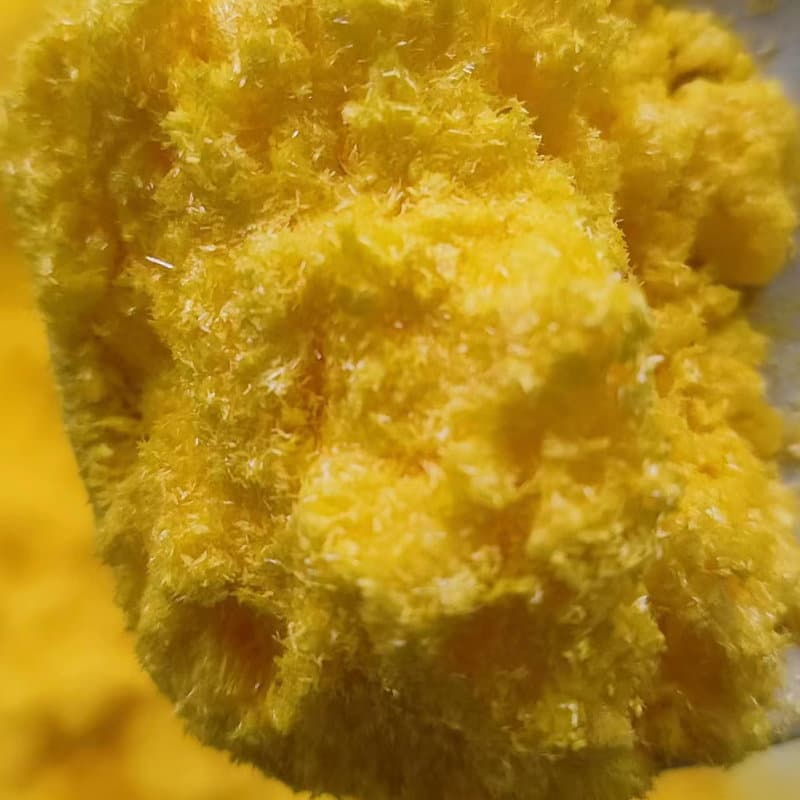
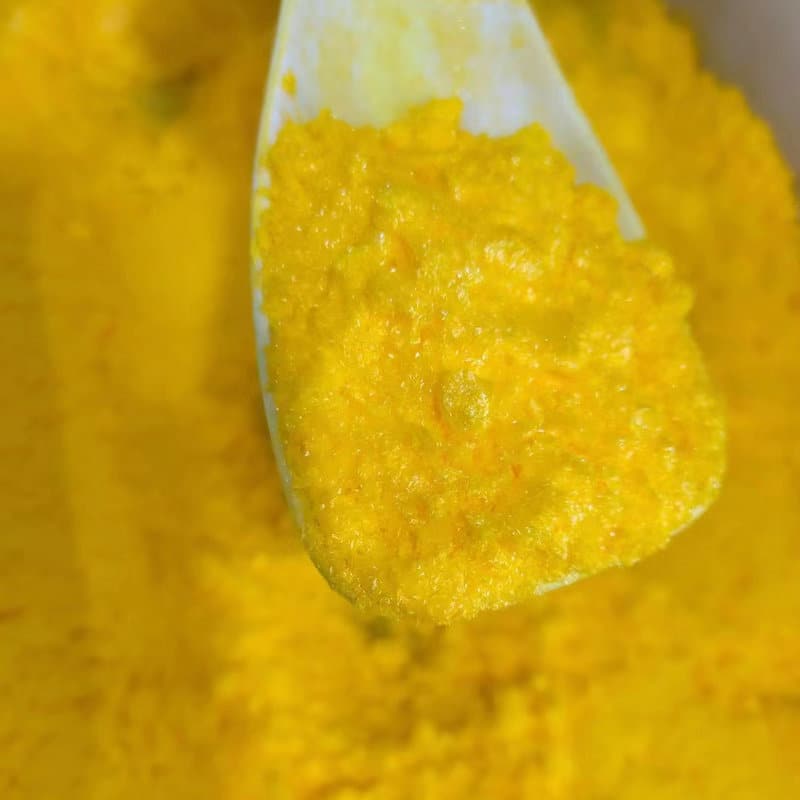
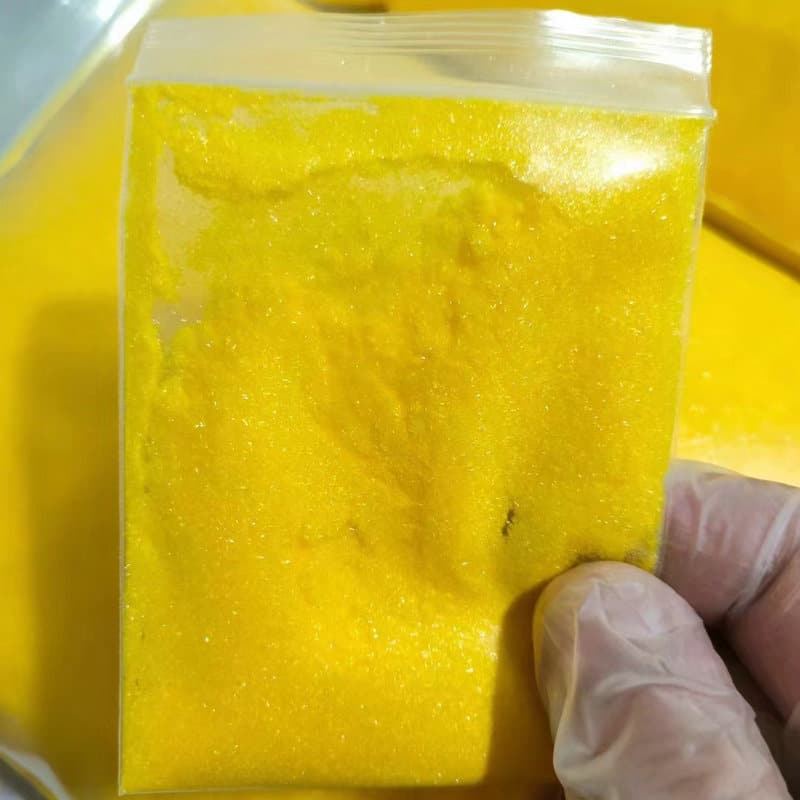
Yes, retinaldehyde and retinal are exactly the same ingredient. Retinal is simply the shortened name for retinaldehyde, a vitamin A derivative commonly used in anti-aging and skin-renewal products. Both names refer to the same chemical compound, with the same molecular formula, chemical structure, and biological properties.
However, retinaldehyde is not the same as retinol. Although both belong to the retinoid family, they are chemically distinct and undergo different conversion steps before becoming retinoic acid in the skin.
In this guide, we explain the relationship between retinal and retinaldehyde, their chemical identity, skincare benefits, differences from retinol, and how to choose a suitable product.
1. Is Retinaldehyde the Same as Retinal?
Yes. Retinaldehyde and retinal are interchangeable names for the same vitamin A aldehyde. The term "retinaldehyde" emphasizes the molecule's aldehyde functional group, while "retinal" is the shorter name commonly used in cosmetics, scientific literature, and ingredient descriptions.
According to the National Institutes of Health's PubChem database, retinaldehyde, retinal, vitamin A aldehyde, and all-trans-retinal are listed as names associated with the same chemical compound.
The NIST Chemistry WebBook also recognizes retinaldehyde as an alternative name for all-trans-retinal, CAS 116-31-4.
| Property | Retinal | Retinaldehyde |
|---|---|---|
| Ingredient identity | Vitamin A aldehyde | Vitamin A aldehyde |
| CAS Number (all-trans) | 116-31-4 | 116-31-4 |
| Molecular formula | C20H28O | C20H28O |
| Molecular weight | 284.44 g/mol | 284.44 g/mol |
| Chemical functional group | Aldehyde | Aldehyde |
| Retinoid family | Yes | Yes |
| Conversion to retinoic acid | One oxidation step | One oxidation step |
Important clarification: These specifications refer to all-trans-retinal. Retinal also exists in other geometric isomeric forms, such as 11-cis-retinal. For raw material procurement or chemical identification, the CAS number and isomer specification should always be checked.
2. Why Are Retinal and Retinaldehyde Called Different Names?
The difference is primarily a matter of terminology rather than chemistry.
Retinaldehyde is a descriptive name indicating that the molecule is an aldehyde derivative of vitamin A. Its aldehyde functional group distinguishes it from retinol, which contains an alcohol group.
Retinal is the established shorter chemical name and is widely used in biochemistry, dermatology, and modern cosmetic marketing.
Other recognized names include:
Retinal
Retinaldehyde
Vitamin A aldehyde
All-trans-retinal
All-trans-retinaldehyde
Retinene
Axerophthal
Some of these names refer specifically to the all-trans form, while others may be used more generally. This distinction matters in technical specifications and chemical sourcing.
If one skincare product lists retinal and another lists retinaldehyde, the different wording alone does not indicate different active ingredients.
3. Is Retinaldehyde the Same as Retinol?
No. Retinaldehyde and retinol are different vitamin A derivatives. Their primary chemical difference lies in their functional groups and metabolic pathways.
Retinol contains an alcohol functional group, while retinaldehyde contains an aldehyde functional group.
In the vitamin A metabolic pathway, retinol can be oxidized into retinaldehyde, which can then undergo further oxidation to form retinoic acid.
Retinol → Retinal (Retinaldehyde) → Retinoic Acid
Retinoic acid is an important biologically active metabolite involved in regulating gene expression through retinoic acid receptors.
Because retinaldehyde is one conversion step away from retinoic acid, whereas retinol requires two oxidation steps, retinal is often described as a more direct retinoid precursor.
However, a shorter conversion pathway does not guarantee that every retinal skincare formulation will outperform every retinol formulation. Actual results depend on ingredient concentration, formulation stability, skin penetration, individual tolerance, and consistent use.
Retinaldehyde vs. Retinol: Comparison Table
| Feature | Retinaldehyde (Retinal) | Retinol |
|---|---|---|
| Chemical category | Vitamin A aldehyde | Vitamin A alcohol |
| CAS number (all-trans) | 116-31-4 | 68-26-8 |
| Conversion to retinoic acid | One oxidation step | Two oxidation steps |
| Common cosmetic applications | Skin aging, texture, uneven tone | Skin aging, texture, uneven tone |
| Potential irritation | Possible | Possible |
| Typical product formats | Creams, serums, emulsions | Creams, serums, emulsions |
| Conversion pathway | Retinal → Retinoic acid | Retinol → Retinal → Retinoic acid |
Neither ingredient is automatically better for everyone. Product selection should account for skin sensitivity, intended use, product formulation, and the user's prior experience with retinoids.
4. What Does Retinaldehyde Do for Your Skin?
Retinaldehyde is used in cosmetic formulations intended to improve the appearance of aging skin and uneven texture. Research on topical retinoids provides a biological basis for these applications, although the amount and quality of clinical evidence differ between individual compounds and formulations.
4.1 Helps Reduce the Appearance of Fine Lines
Vitamin A derivatives influence cellular processes associated with skin renewal and extracellular matrix maintenance. Topical retinaldehyde formulations have been studied for their potential to improve the visible appearance of photoaged skin.
Improvements depend on consistent use and may take several weeks or months to become noticeable.
4.2 Supports Smoother Skin Texture
Retinoids influence epidermal cell differentiation and renewal. Retinaldehyde-containing products may help improve the appearance of rough or uneven skin texture over time.
4.3 Helps Improve Uneven Skin Tone
Some topical retinoid formulations can improve visible discoloration associated with photoaging. Retinaldehyde may be included in cosmetic products targeting uneven-looking skin tone, although outcomes vary by formulation.
4.4 May Support Acne-Prone Skin Care
Retinaldehyde has been investigated in cosmetic preparations for acne-prone skin. However, its clinical evidence base for acne is more limited than that of established acne medications such as adapalene and tretinoin.
People with persistent or moderate-to-severe acne should seek evidence-based treatment advice from a dermatologist rather than rely exclusively on cosmetic retinal products.
5. Is Retinaldehyde Stronger Than Retinol?
Retinaldehyde is one metabolic conversion step closer to retinoic acid than retinol. This supports its reputation as a potentially more active retinoid precursor.
Nevertheless, the word "stronger" needs context.
A properly formulated retinal product may deliver meaningful improvements at a relatively low concentration, but there is no universally valid numerical conversion stating that a given percentage of retinal always equals a fixed percentage of retinol.
Furthermore, chemical conversion steps are not the only factor determining performance. Delivery systems, ingredient stability, packaging, skin tolerance, and usage frequency can significantly influence results.
Consumers should therefore avoid selecting products solely on claims that retinal is a specific number of times stronger or faster than retinol.
6. How to Use Retinal or Retinaldehyde in a Skincare Routine
Since retinal and retinaldehyde are the same ingredient, the same general usage principles apply to both.
Step 1: Start Gradually
For someone new to topical retinoids, introducing retinal on two or three nonconsecutive evenings per week is a cautious starting approach. Increase frequency gradually if the skin tolerates the product.
Step 2: Apply to Clean, Dry Skin
Follow the specific product instructions. Applying a leave-on retinoid after cleansing and allowing the skin to dry may help reduce discomfort in sensitive users.
Step 3: Use an Appropriate Amount
For many face creams and serums, a small amount is sufficient. Follow the manufacturer's directions rather than assuming that applying more will produce better results.
Step 4: Apply Moisturizer
A moisturizer can help manage dryness and support the skin barrier. Individuals with sensitive skin may benefit from using moisturizer alongside their retinoid.
Step 5: Wear Sunscreen
Use broad-spectrum sunscreen with SPF 30 or higher during the day, along with other sensible sun-protection measures. Retinoid use does not replace the need for daily photoprotection.
Step 6: Watch for Irritation
Redness, dryness, peeling, stinging, and irritation can occur, particularly during the first weeks. Reduce usage frequency or discontinue use if significant irritation develops.
Topical retinoids are generally avoided during pregnancy. Anyone who is pregnant, planning pregnancy, or breastfeeding should consult a qualified healthcare professional before using retinoid-containing skincare.
7. Can You Use Retinal and Retinaldehyde Together?
Because retinal and retinaldehyde are the same chemical ingredient, using two products labeled with these different names means applying retinal from two sources.
Layering both products is usually unnecessary and can increase total retinoid exposure, potentially raising the likelihood of dryness or irritation.
For most skincare routines, it is more practical to choose one well-formulated retinal product and adjust usage frequency based on tolerance.
8. Is Retinaldehyde Suitable for Sensitive Skin?
Retinaldehyde may be tolerated by some people with sensitive skin, but it is not automatically non-irritating.
Whether a retinal formulation is suitable depends on the concentration, additional ingredients, delivery system, existing skin barrier condition, and individual sensitivity.
People with sensitive skin should consider a lower-strength formulation, introduce it gradually, and avoid combining multiple potentially irritating products during the adjustment period.
If the skin is already inflamed, damaged, or experiencing an active dermatitis flare, seek professional guidance before introducing retinal.
9. How to Identify Genuine Retinaldehyde in Cosmetic Ingredients
For consumers and cosmetic formulators, accurate ingredient identification is important because retinal, retinol, and retinoic acid are chemically distinct despite their similar names.
For all-trans-retinal raw materials, the following chemical identifiers are useful:
INCI name: Retinal
Common chemical name: Retinaldehyde
CAS number: 116-31-4
Molecular formula: C20H28O
Molecular weight: Approximately 284.44 g/mol
Chemical family: Vitamin A derivatives / retinoids
For bulk ingredient sourcing, technical documentation can help verify the supplied material. Depending on the supplier and application, relevant records may include a Certificate of Analysis (COA), specification sheet, Safety Data Sheet (SDS), and analytical testing data.
However, a matching ingredient name or CAS number alone does not establish raw material purity, isomer composition, shelf life, or the stability of a finished cosmetic formulation.

10. Frequently Asked Questions About Retinal and Retinaldehyde
Is retinal another name for retinaldehyde?
Yes. Retinal is the shorter name for retinaldehyde. In skincare, both names refer to the same vitamin A-derived aldehyde ingredient.
Is retinaldehyde different from retinal?
No. There is no inherent chemical difference between retinaldehyde and retinal when the names refer to the same molecular form. Differences between finished products arise from their formulations, not from these two names.
Do retinal and retinaldehyde have the same CAS number?
Yes. All-trans-retinal, also called all-trans-retinaldehyde, is associated with CAS 116-31-4. Other retinal isomers should be identified separately when precise chemical identity matters.
Is retinaldehyde the same as retinoic acid?
No. Retinaldehyde is an aldehyde precursor that can be converted into retinoic acid. Retinoic acid is a different chemical compound.
Is retinaldehyde the same as tretinoin?
No. Tretinoin is all-trans-retinoic acid, whereas retinaldehyde is all-trans-retinal when referring to the common cosmetic form. Their chemistry, evidence base, and regulatory status differ.
Is retinaldehyde better than retinol for wrinkles?
Retinaldehyde is metabolically closer to retinoic acid and may be an effective option in cosmetic products targeting visible signs of aging. However, direct comparative clinical evidence does not establish that every retinal formulation is superior to every retinol formulation.
Can retinaldehyde help with acne?
Retinaldehyde has been studied in products for acne-prone skin, but evidence for its use is less extensive than for established topical acne treatments. A dermatologist can recommend more appropriate treatment for persistent acne.
How long does retinaldehyde take to work?
Visible improvements in skin texture or the appearance of fine lines may require several weeks to months of consistent use. The timeline depends on the product, the intended outcome, and individual skin response.
Should retinaldehyde be used every night?
Not necessarily. New users may benefit from starting a few nights per week and increasing frequency as tolerated. The product label and professional guidance should take priority.
Are retinal and retinaldehyde equally effective?
They are the same active chemical ingredient. At equivalent active concentrations and under otherwise identical formulation conditions, changing the name does not change the molecule. However, different commercial products can perform differently because of formulation and packaging.
11. Final Verdict: Retinaldehyde vs. Retinal
Retinaldehyde and retinal are the same ingredient, not two different retinoids. The two terms refer to vitamin A aldehyde and are commonly used interchangeably in skincare discussions and cosmetic ingredient documentation.
The important distinction is between retinaldehyde and other vitamin A derivatives, especially retinol and retinoic acid.
Retinaldehyde is one oxidation step away from retinoic acid, while retinol typically requires two steps through retinal. This biochemical difference helps explain why retinaldehyde attracts attention in modern skincare formulations.
When choosing a skincare product, focus on the complete formulation, stated concentration, tolerance, product quality, and appropriate use rather than the difference between the names "retinal" and "retinaldehyde."
12. Scientific References
National Center for Biotechnology Information. PubChem Compound Summary: Retinal, CID 638015. View PubChem record.
National Institute of Standards and Technology. NIST Chemistry WebBook: Retinal, CAS 116-31-4. View chemical reference.
Topical Retinoids in Acne — An Evidence-Based Overview. View on PubMed.
Cosmeceuticals in Acne Vulgaris: From Mechanism of Action to Clinical Application. Skin Health and Disease, 2026. View scientific review.
Disclaimer: This article is provided for cosmetic ingredient education and is not intended as personalized medical advice. Product suitability, local regulatory requirements, and safety should be evaluated according to the intended application.